
Ugly Is the New Exclusive: Dressing Bad on Purpose
When everyone can learn 'good style' from a 60-second tutorial, looking objectively bad becomes the last real flex. Welcome to fashion's deliberate downgrade.
Category
20 articles
When everyone can learn 'good style' from a 60-second tutorial, looking objectively bad becomes the last real flex. Welcome to fashion's deliberate downgrade.
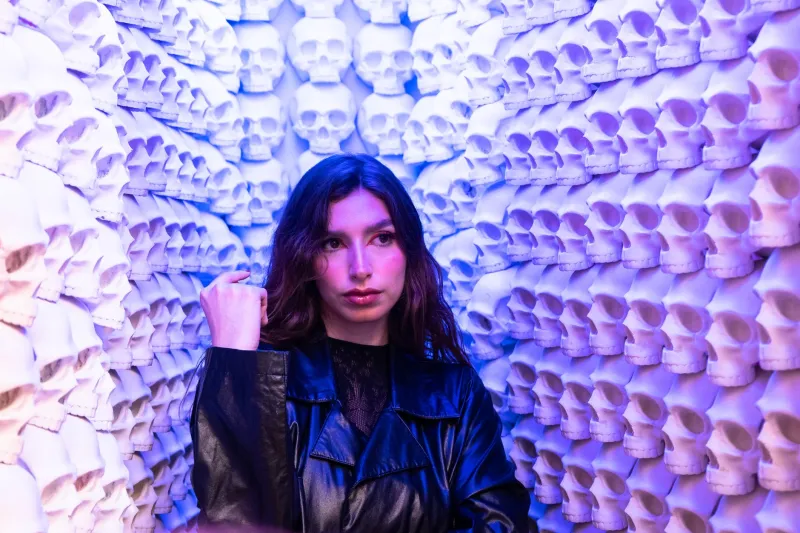
The bedroom poster is dead and the limited-edition vinyl is gathering dust. America's biggest fans are spending their paychecks on rooms that exist for six weeks — and honestly, it makes perfect sense.

Gen Z didn't inherit the past — they raided it. From Y2K silhouettes to borrowed slang, the remix generation is doing something fundamentally different with nostalgia: using it as raw material rather than a destination. The difference between homage and trap? Knowing which one you're in.
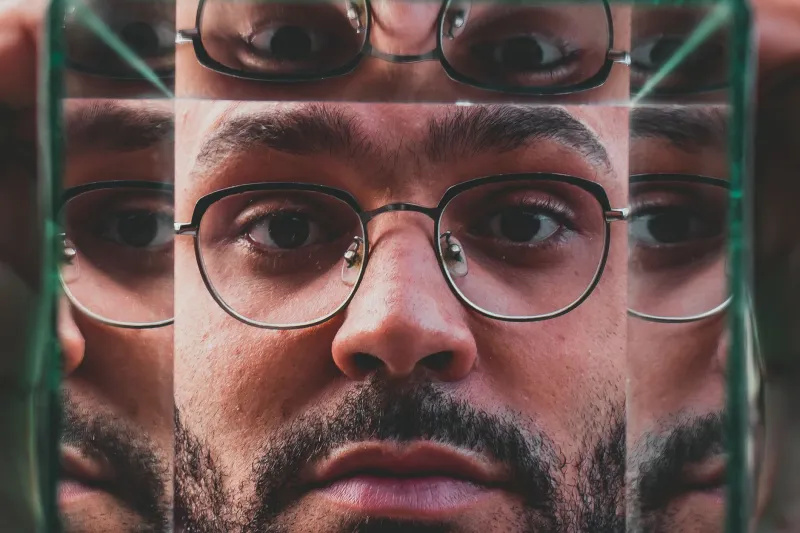
Cottagecore gave way to hyperpop. Hyperpop collapsed into quiet luxury. And somewhere in a cached folder of the internet, every single version of you is still very much alive. The relentless pressure to rebrand your aesthetic identity online isn't freedom — it's a treadmill with better lighting.
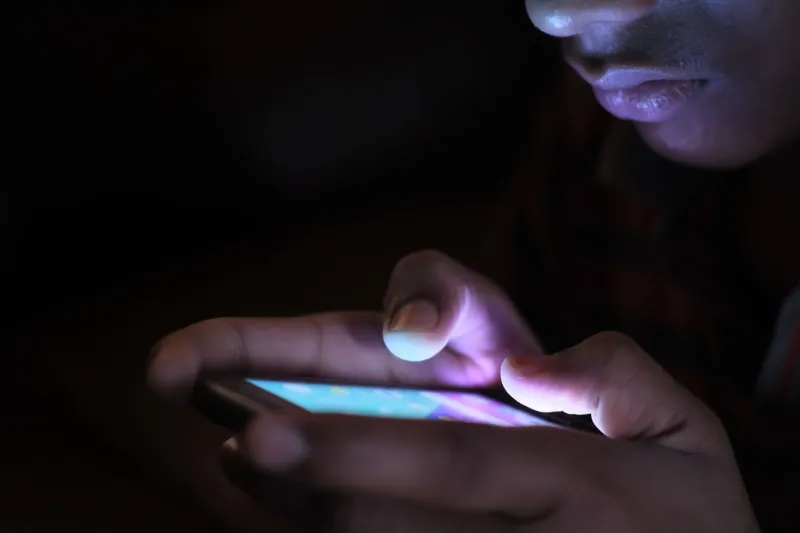
The urge to nuke your old tweets before anyone screenshots them is understandable — but it might be costing you something more valuable than your reputation. In a culture obsessed with curated perfection, leaving your messy digital past intact is quietly becoming the most honest thing a creator can do. The question isn't whether you've changed. It's whether you're allowed to show the before.
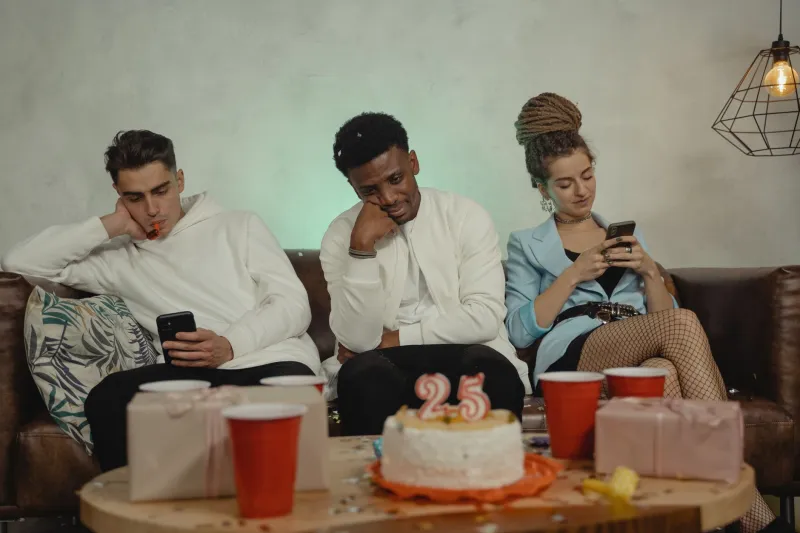
Somewhere between the thrifted blazer and the half-finished coffee, apathy became aspirational. The new status symbol isn't what you own — it's how little you seem to care about owning it.
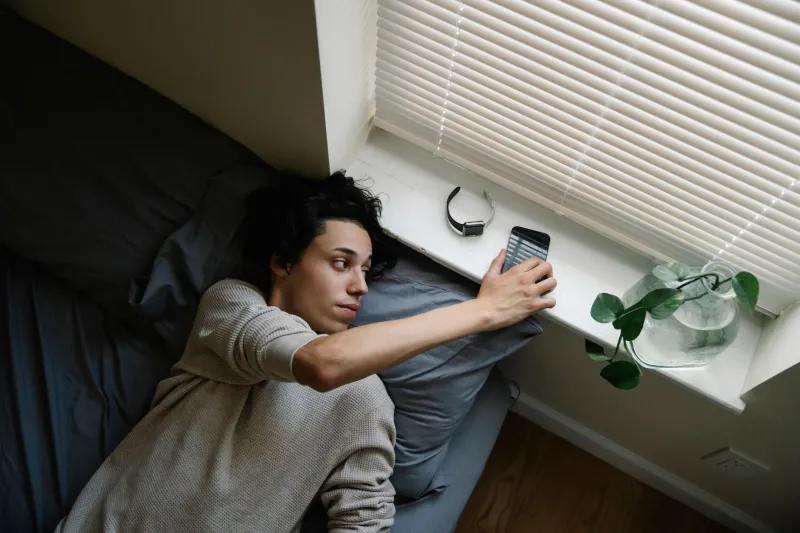
Quitting social media used to mean quietly disappearing. Now it comes with a manifesto, a countdown, and a carefully filtered photo of someone staring into the middle distance. The most ironic flex of our digital moment isn't being online — it's making a whole production out of leaving.
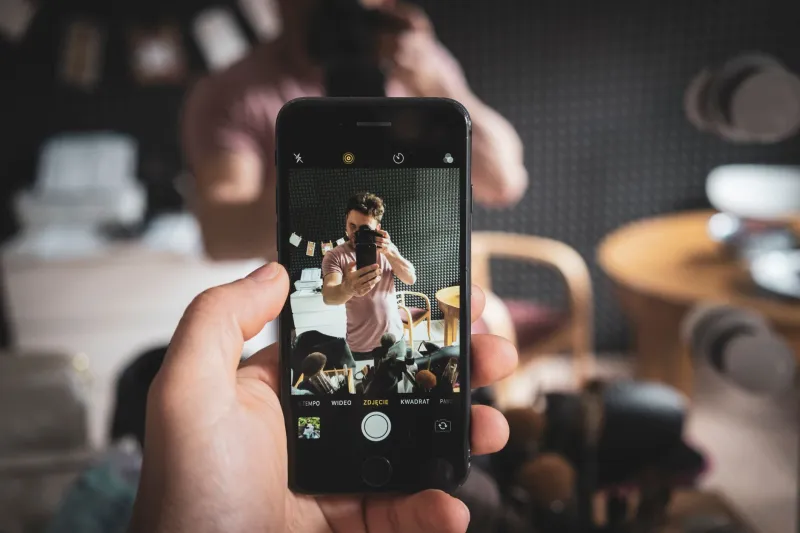
We've been sold 'real' so many times that the word has lost all its edges. When every brand, creator, and corner of the internet is performing vulnerability on a schedule, what does genuine actually look like anymore?

Brands have mastered the art of saying sorry without actually meaning it — and we've all seen enough of these scripts to know exactly how the scene ends. From the soft-lit Instagram carousel to the CEO's trembling LinkedIn post, the corporate apology has become a genre unto itself. And it's a bad one.
There's a specific kind of grief that hits when something you built from scratch — a sound, a look, a whole creative identity — gets picked up by the machine and smoothed into something unrecognizable. It's not flattery. It's more like watching a stranger wear your skin. And more creators are reckoning with it than ever.
In a culture that rewards constant output and relentless visibility, a quiet counter-movement is rewriting the rules of status. The most powerful people in the room aren't posting — they're deliberately, conspicuously absent. And that absence is saying everything.

A new breed of creator has figured out the ultimate cheat code: tell your audience exactly how the trick works, and they'll trust you more than ever. It sounds like a paradox, but it's quietly rewriting the rules of influence, credibility, and what 'real' even means online.
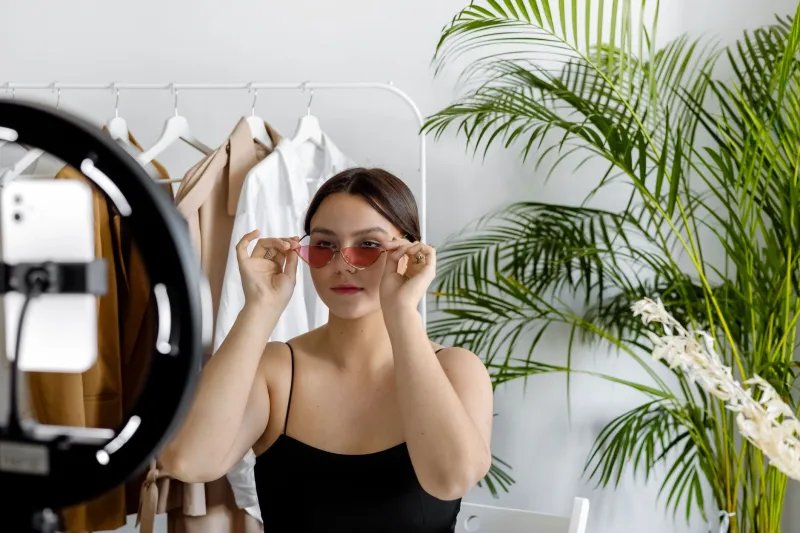
The most 'authentic' creators online aren't winging it — they're engineering vulnerability with the precision of a Super Bowl ad. When transparency itself becomes a content strategy, what's left of the real thing? We went looking for the seams.
From limited-edition Tamagotchi collabs to Blockbuster-branded hoodies, corporations have gotten very good at monetizing the warm feeling in your chest. But when every retro moment is an engineered IP play, what's actually left of the memory? We went looking for the line between genuine nostalgia and a focus-grouped facsimile of it.

Corporate vulnerability is having a moment — and it's embarrassing. From beauty brands posting 'unfiltered' founder confessionals to fast fashion labels suddenly discovering social justice, audiences have gotten very good at spotting the performance. Here's what the authenticity arms race is actually costing everyone.
Zines are back in Kinko's-era glory. Music is being made to never be uploaded. Clothes are being sewn to look like nothing you'd find on TikTok. A growing slice of young Americans isn't just logging off — they're deliberately building culture in formats the internet can't easily replicate or monetize. But is this genuine creative revolution, or just the newest trend wearing a thrift-store disguise?
From dark academia to goblincore to coquette, Gen Z isn't just picking outfits — they're building entire philosophical universes brands can barely name before they've already moved on. These hyper-specific micro-aesthetics aren't accidents; they're a deliberate fracturing of mainstream culture into something personal, strange, and stubbornly hard to sell. We talked to creators and trend analysts about what it actually means when your vibe becomes a product.
A growing wave of creators is quietly walking away from Instagram feeds and Spotify algorithms, trading viral moments for Discord servers, handwritten zines, and word-of-mouth communities that actually feel like something. Is this resistance, nostalgia, or just a smarter way to build?
For a decade, irony was armor. Caring too much was embarrassing; detachment was the whole aesthetic. But something cracked open recently, and the artists, designers, and musicians leading the cultural conversation are suddenly, defiantly, unironically *meaning it*. Here's why sincerity became the new edge.
A new generation of creatives isn't waiting for the fashion industry to clean up its act — they're building something entirely different from the scraps it left behind. From repair cafes in Brooklyn to thrift-flip TikTok accounts with millions of followers, the rebellion is already underway. And this time, it's got receipts.