Delete the Evidence, Lose the Story: Why Scrubbing Your Old Posts Is a Form of Self-Betrayal
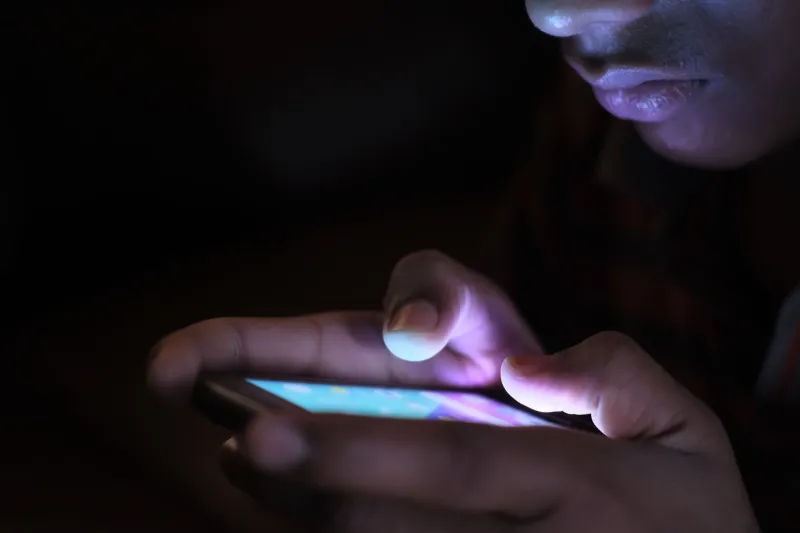
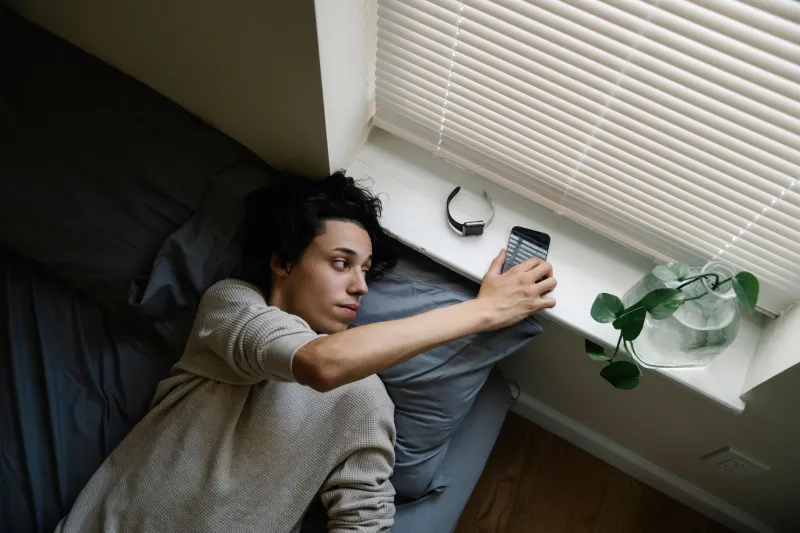
There's a specific kind of dread that hits around 2 a.m. when you remember something you posted in 2014. A joke that didn't land. An opinion you've since abandoned. A phase — aesthetic, political, personal — that you've fully outgrown but that still exists, indexed and searchable, somewhere in the permanent record of the internet. The instinct is immediate: delete it. All of it. Burn the archive and start fresh with a cleaner version of yourself.
But here's the thing nobody's saying out loud: that instinct, as human as it is, might be one of the most culturally corrosive habits we've normalized.
The Audit Nobody Asked For
At some point in the last decade, the internet became a court, and your timeline became evidence. Accountability culture — which started as a genuinely necessary tool for exposing real harm — gradually expanded into something more ambient and anxious. Now it's not just public figures and corporations being held to the record. It's everyone. Regular people, emerging artists, small-brand founders, musicians with 4,000 followers. The threat of a retroactive reckoning hangs over every old post like a slow leak.
So creators started cleaning. Not because they'd done something genuinely terrible, but because the possibility of something being taken out of context felt too risky. Services that mass-delete old tweets became quietly essential tools. Instagram archives got purged. Entire early-career creative phases got quietly unpublished. The digital self-edit became a form of ongoing maintenance, like whitening your teeth or updating your LinkedIn.
What got lost in all that tidying was the evidence of becoming.
Growth Isn't a Rebrand
Fashion has always understood something that the rest of culture is still catching up to: your aesthetic past is part of your identity, not a liability to it. The most compelling designers, stylists, and creatives aren't the ones who arrived fully formed — they're the ones whose early work shows the searching. The awkward phase. The wrong influences. The looks that almost worked and the ones that spectacularly didn't.
Think about how we talk about the careers of people like Kanye West or Vivienne Westwood or even Billie Eilish — we don't pretend the early stuff didn't exist. We use it as context. The before makes the after mean something. Strip away the evolution and you don't get a cleaner story; you get a story with no beginning.
The digital equivalent is the same. When a creator retroactively sanitizes their online presence, they're not protecting themselves from judgment — they're robbing their audience of the full arc. And increasingly, audiences know it. A feed that looks too consistent, too correct, too perfectly calibrated reads as suspicious. It signals performance, not personhood.
The Difference Between Cleaning and Erasing
To be fair, not every deletion is an act of cowardice. There's a real distinction between removing something because you've genuinely reckoned with it and removing something because you're scared of getting caught. One is growth. The other is reputation management dressed up as growth.
The problem is that from the outside, they look identical. And from the inside, it's increasingly hard to tell which one you're doing. The anxiety of digital exposure has a way of collapsing those two motivations into one panicked action: just get rid of it before anyone sees.
What's worth asking — and what more creators are starting to ask — is whether the discomfort of having old work exist is actually useful. Not as punishment, but as information. The cringe you feel looking at your 2016 posts isn't just embarrassment. It's proof that you've moved. That the person who wrote that thing and the person reading it now are genuinely different. That's not a problem to solve. That's a story to tell.
Leaving the Mess on Purpose
A quiet counter-movement has been building among creators who are actively choosing to leave their digital footprints messy and intact. Artists who link to their early, rougher work. Writers who keep their old blogs up even when the opinions have shifted. Musicians who don't scrub the SoundCloud demos that sound nothing like who they are now.
The statement these people are making isn't I was always right. It's I was always real. And in a content landscape drowning in retroactively perfected personal brands, that distinction hits differently.
Designer and creative director Telfar Clemens has talked about the importance of visible process — the idea that showing how something got made is as meaningful as the finished object. That philosophy applies beyond physical goods. Your intellectual and creative process, including the wrong turns, the embarrassing phases, the opinions you've since revised, is part of what makes your current work legible and trustworthy.
Leaving the old stuff up is, in a strange way, an act of confidence. It says: I'm not afraid of having been a work in progress. I still am one.
The Correct Self Is a Fiction
The deeper issue with retroactive digital cleaning is what it reveals about the standard we're holding ourselves to. The impulse to delete assumes there's a correct version of you that should have existed all along — one that was always informed, always sensitive, always aesthetically coherent. And that the actual you, the one who was figuring things out in public, is a liability.
That's a brutal standard. And it's one that disproportionately affects younger creators, people from communities who are still navigating complex social terrain, and anyone whose growth has been nonlinear — which is to say, basically everyone.
The internet's long memory is genuinely a problem in some cases. But the solution can't be universal self-erasure. Because what we lose when everyone cleans their feeds isn't just individual histories. It's the collective cultural record of how people actually think, change, and move through the world. We lose the texture of real time.
Keep the Receipts
There's something almost radical, in the current moment, about refusing to perform retrospective perfection. About saying: yes, I posted that. I thought differently then. Here's how I think now. The through-line is still me.
That's not the same as refusing accountability. It's not a defense of genuinely harmful content or a rejection of the idea that words have consequences. It's something more specific: a refusal to pretend that becoming is the same as having always been.
Your messy digital past isn't a bug in your personal brand. For a lot of creators, it's the most honest thing they've ever published. The question is whether you trust your audience — and yourself — enough to let it stand.