Nobody Owns Anything Anymore, So We Bought the Vibes Instead
There's a specific kind of sadness to the merch table in 2025. The $45 hoodie you'll never wash, the tour poster that lives in a tube under your bed for three years, the vinyl that's technically a collectible but functionally a coaster. Meanwhile, your friend just paid $60 to stand in a recreated kitchen from a music video, scream-sing the chorus with forty strangers, and walk out with nothing but photos and a slight emotional hangover.
Guess who feels like they got their money's worth?
The Stuff Economy Is on Its Deathbed
For decades, fandom was measured in objects. Records on shelves, posters on walls, jerseys folded in drawers. Your bedroom was a museum of yourself, curated for anyone who slept over. Your stuff was your taste — legible, permanent, displayable.
Then two things happened. Rent went up, and the feed went down. Nobody under thirty has wall space, and nobody scrolling TikTok cares about your shelf anyway. Objects lost both their practical home and their social function.
What replaced them is the pop-up: the immersive fan experience, the limited-run installation, the temporary museum of a moment. Think the massive Stranger Things activations in Brooklyn and LA, the fan-built K-pop pop-ups in Koreatown, the immersive album listening rooms that sell out in eleven minutes. These things aren't venues. They're artifacts you rent with your body.
You Are the Collectible Now
Here's the shift nobody says out loud: the souvenir used to prove you were there. Now the photo proves it, and the photo goes where everyone's looking. The pop-up isn't selling you a memento — it's selling you a scene, and you're the main character in it.
That reframes the whole transaction. A poster says "I like this band." A photo of you inside a recreation of the album cover says "I was chosen, I showed up, I was there before it closed." In a culture where presence is the scarcest resource, attendance is the flex.
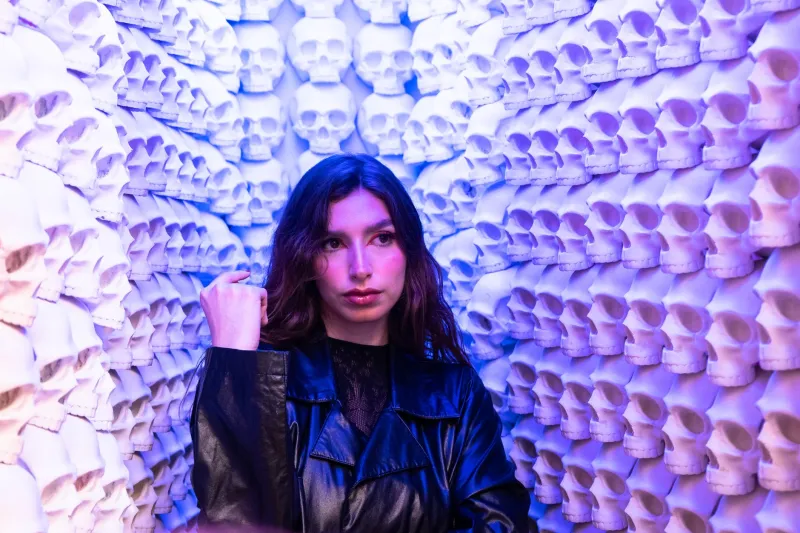
It also explains why these experiences lean so hard into being photogenic. The best pop-ups aren't really rooms — they're cameras with walls. The design brief isn't "make it beautiful," it's "make it undeniable at 9:47 on a Tuesday night when everyone's scrolling."
Ephemeral Beats Permanent, On Purpose
There's an irony here that the industry is still catching up to: the more temporary the experience, the more urgent the FOMO, and the more valuable the memory. A vinyl reissue will be there next month. The immersive pop-up closes Sunday. Scarcity used to be manufactured through limited pressings. Now it's manufactured through time itself.
And unlike stuff, experiences can't be faked, resold, or dropshipped. You can't buy your way into having been there after the fact. That's the whole appeal for a generation raised on sneaker bots and scalper bots — the one collectible that can't be flipped is the memory of showing up.
There's also something quietly anti-consumerist about it, even though it costs money. Gen Z isn't rejecting spending; they're rejecting accumulation. They'll drop real cash on a night that becomes a story rather than an object that becomes clutter. It's Marie Kondo economics with a bassline.
What We Lose When Nothing Lasts
But let's be honest about the trade. When your fandom lives in a six-week installation, what happens when the pop-up closes and the memory fades? At least the poster stays. There's a version of this where culture becomes a series of beautiful, forgettable rented moments — experiences consumed like content, archived in a camera roll nobody revisits.
The artists and organizers who get it right are the ones building experiences that change you, not just photograph well. The pop-ups people talk about years later are the ones where strangers became a temporary community — where the room mattered more than the lighting. That's the bar.
The bedroom poster isn't coming back. But the impulse behind it — the need to make your devotion visible, permanent, yours — never left. It just moved from the wall to the timeline, from owning the object to having been in the room.
And in 2025, the room is the thing worth collecting.