
Built Backwards: The Song That Exists Only for Fifteen Seconds
Producers are now writing songs around the clip that will trend, not the album that will last. Inside the strange new math of making music for a scroll.
Category
14 articles
Producers are now writing songs around the clip that will trend, not the album that will last. Inside the strange new math of making music for a scroll.
Across the country, musicians, designers, and visual artists are quietly building creative communities with a single shared rule: you can't just show up. Private Discord servers, invite-only studios, and password-protected showcases are reshaping how art gets made — and who gets to be in the room. This is what creative survival looks like in the attention economy.
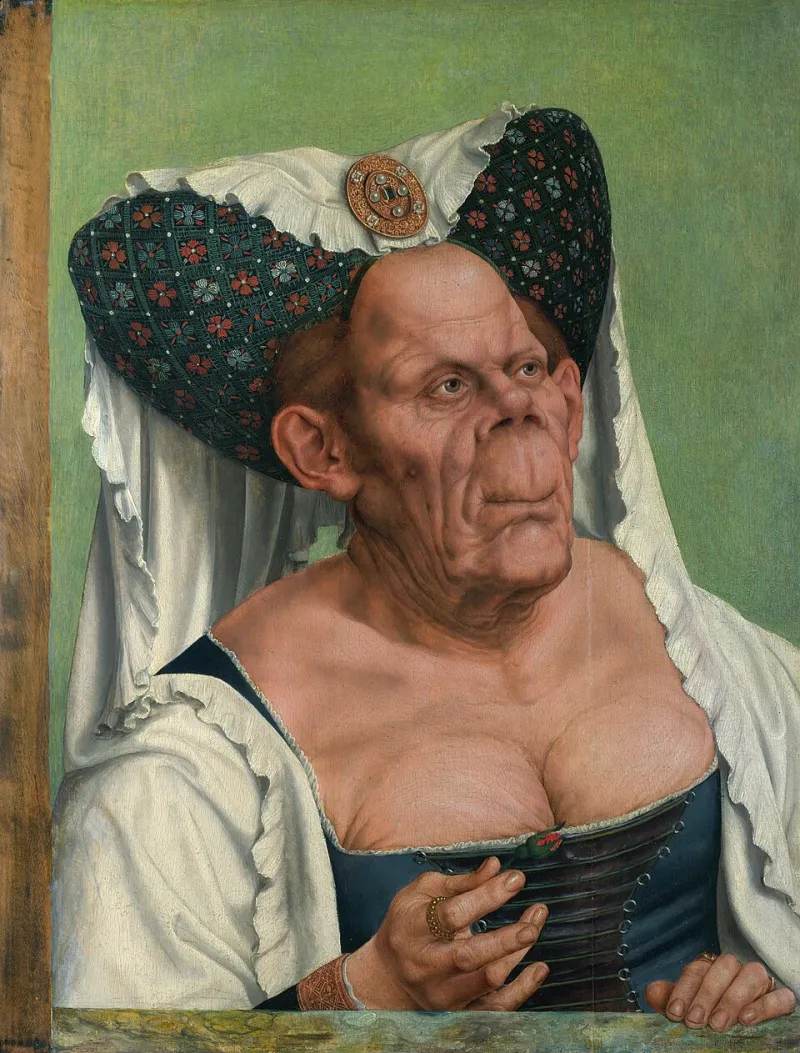
Something strange is happening in studios, galleries, and SoundCloud pages across the country: people are making ugly, clumsy, gloriously imperfect work — and calling it a philosophy. But is the slow art movement a genuine rejection of hustle-culture perfectionism, or just another aesthetic performing its own rebellion?
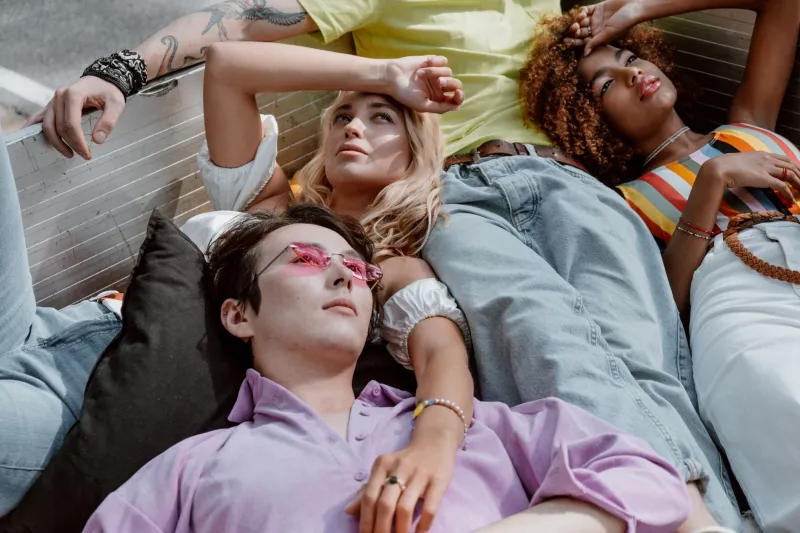
Gen Z didn't inherit the culture wars of the 80s, 90s, and early 2000s — they looted them. Stripping the original context, flipping the meaning, and reassembling the wreckage into something that somehow slaps, younger generations are doing to cultural conflict what DJs do to a tired sample: making it hit harder the second time around.
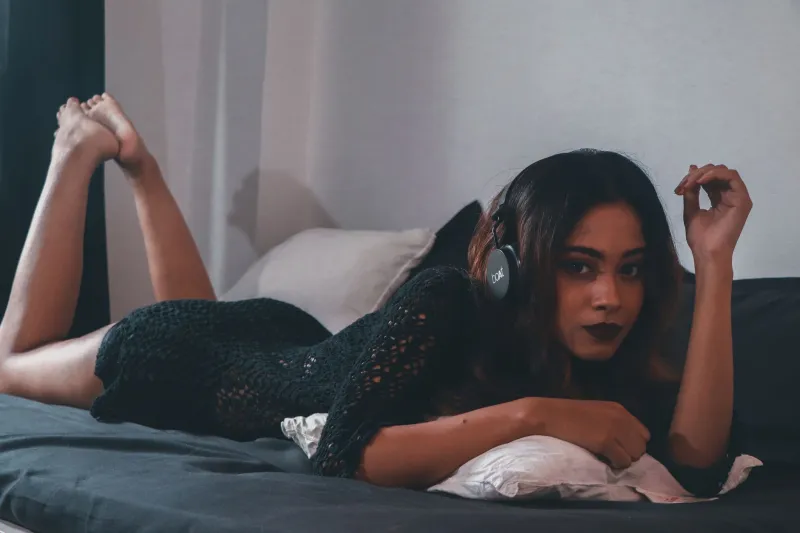
When words fail and captions feel like performance, a song does the heavy lifting. For Gen Z, the playlist isn't background noise — it's the most honest thing they'll share all week. Here's how music became the emotional language that social media never could be.
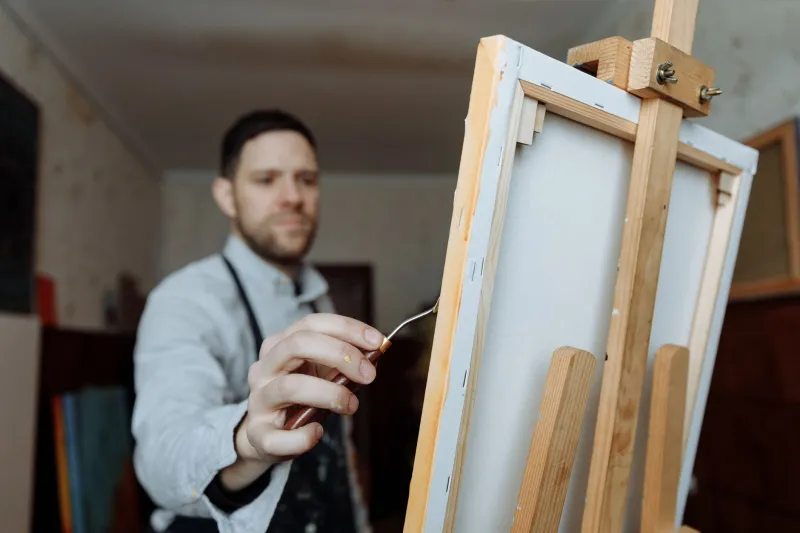
Forget catharsis. The most compelling creative work happening right now isn't trying to process anger — it's weaponizing it. A new wave of artists across music, fashion, and visual culture are turning spite into a full aesthetic language, and audiences can't look away.
There's a persistent fantasy that staying small is a form of artistic purity — that the unknown creator is somehow more authentic than the one with a following. But in 2026, obscurity isn't a choice you make. It's a tax you pay.
A growing number of artists are building entire careers on the documented wreckage of their mental health — and the internet can't look away. But when sponsors start circling your crisis, something shifts. We dig into the uncomfortable machinery behind vulnerability as content strategy.
A growing wave of artists is posting half-baked demos, abandoned canvases, and raw voice memos — not as accidents, but as statements. The unfinished project has quietly become the most credible thing a creator can put out right now. Here's why incompleteness is hitting different.
From tearful Patreon posts to therapist-influencers with seven-figure followings, emotional openness has quietly become one of the internet's most bankable products. But when your pain has a price tag, what exactly are you selling — and who's really buying? Kurtural digs into the loneliness economy and asks whether monetized vulnerability is connection or just a very convincing costume.
After years of 'all taste is valid' becoming the default cultural posture, something has shifted — critics are getting picky again, music fans are publicly judging each other's playlists, and fashion commentary has rediscovered the art of the polite evisceration. Whether this is a healthy correction or a slide back into toxic elitism depends entirely on who's holding the velvet rope.
From dusty vinyl crates to AI-assisted archival digs, a new generation of producers is treating the sample not as theft but as testimony. The legal system wasn't built for this kind of creativity — and that tension is exactly the point.
Something shifted when young people started turning their pain into TikToks, albums, and altar-style Instagram grids. Whether it's climate dread set to hyperpop or candlelit memorial aesthetics going viral overnight, Gen Z has built an entirely new vocabulary for loss — and the rest of us are still learning to read it.
Your favorite underground artist just showed up in a car commercial, and you have feelings about it. But before you write the obituary for their integrity, it might be worth asking what we actually expect from artists — and whether those expectations were ever fair to begin with. The line between selling out and surviving has never been blurrier, and that's worth sitting with.