The Mall Was the Gallery All Along
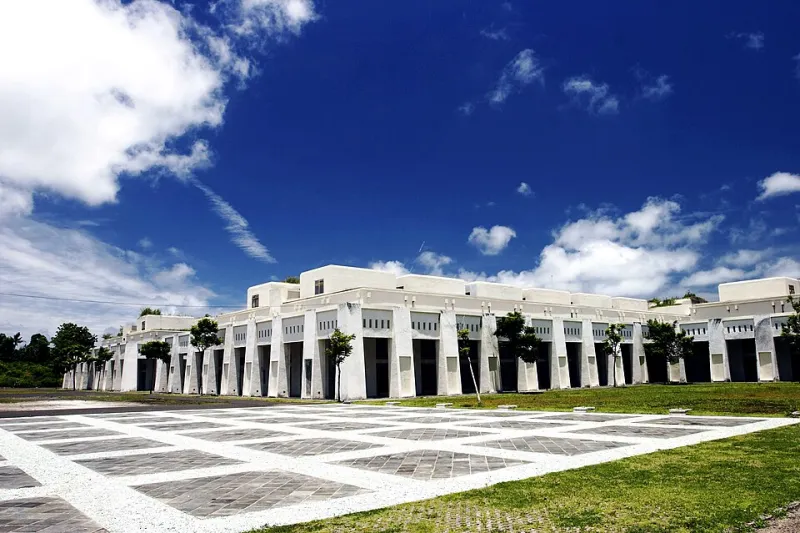
Photo: Krismartin at en.wikipedia, Public domain, via Wikimedia Commons
You enter through a glass door that still has the ghost of a store hours decal on it. The escalator is stopped. The food court is dark except for one neon sign someone has rewired into an installation. A former Sears has become a gallery, and the art is competing with the architecture for attention. The architecture is winning.
Across the US, artists are moving into the ruins of retail. Shuttered department stores, half-empty malls, and dead anchor spaces are hosting installations, pop-ups, immersive shows, and studio takeovers. In 2026, the most talked-about gallery in town might be in a building that still smells faintly of pretzels and off-gassing carpet.
Why a vacant Dillard's hits harder than a white cube
A white cube gallery asks you to forget the world outside. A dead mall refuses to let you. The escalators, the signage, the mirrored columns, the empty display cases: they are all still there, telling the story of what this place used to be. Art does not have to build a mood. The mood is already load-bearing.
That is why these spaces hit so hard. Malls were never just shopping centers. They were teenage territory, first-date terrain, air-conditioned refuge, and a very American kind of public square. For millennials and Gen Z, a dead mall is not just abandoned retail. It is a memory with the lights off.
Artists are smart to use that. An installation in a former JCPenney can feel like a ghost story, a critique, and a love letter at the same time. You are walking through the afterlife of consumerism while someone projects video onto the wall where the perfume counter used to be. It is hard to be bored by that.
Nostalgia is the admission fee
But here is where the story gets less romantic. A lot of these projects are ticketed. There is a merch table. There is a sponsor wall. There is a landlord who is very happy to have a temporary tenant turning an empty asset into cultural capital.
That does not automatically make the work bad. Artists need space, and vacant retail is cheap space, at least until it is not. But it does mean we should ask who is actually profiting from the nostalgia. Is the show funded by a local arts council and organized by artists who live nearby? Or is it an immersive experience company using the aesthetics of decay to sell $38 tickets and branded tote bags?
The difference matters. The first can be genuine cultural reclamation. The second is just the retail machine putting on a black turtleneck and calling itself a curator.
The mall was always a gallery
The uncomfortable truth is that malls were already staging desire. Department stores arranged goods like sculptures. Lighting was designed to make everything look better than it was. The food court was social practice. The whole building was an argument about who you could become if you bought the right things.
So when artists move in, they are not imposing meaning on a neutral box. They are revealing what was already there. The mall was always a gallery. It just had a different business model.
That is also the risk. If art becomes the new anchor tenant, it can help make a dying property feel safe enough for redevelopment. Rents go up. The artists who made the space interesting get pushed out. The mall becomes a mixed-use lifestyle center with a mural and a coffee shop and a waiting list. We have seen this movie before. It is called gentrification, and it has great lighting.
What comes after the last anchor store
The better version of this trend is not just about using dead malls for content. It is about letting them become something other than retail: housing, clinics, community studios, rehearsal rooms, and yes, galleries. Art can be part of civic reuse instead of just a vibe upgrade for a landlord.
That requires ownership, or at least long leases and community control. It requires artists being paid properly, not just given a temporary wall and a hashtag. It requires asking what the people who actually live near the mall need, not just what makes a good opening-night photo.
The dead mall is not just a backdrop. It is a warning and a chance. The art world should treat it that way.