The Cover Is the Merch Now
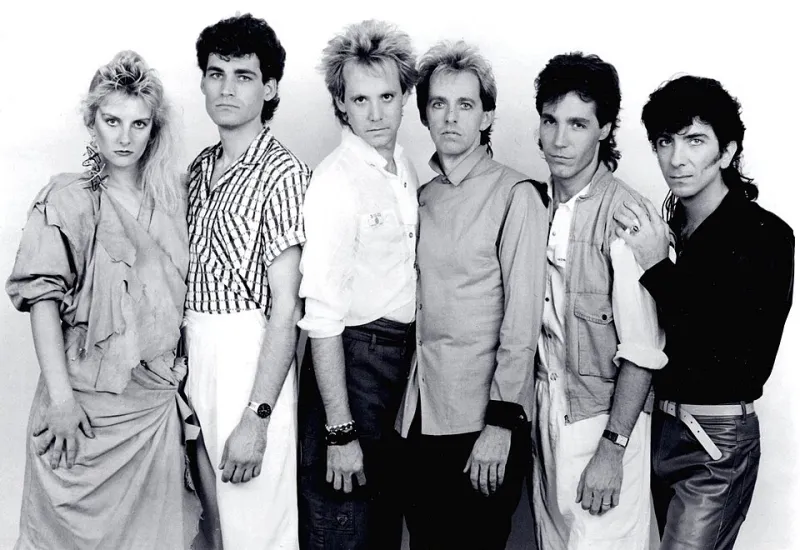
Photo: Distributed by PolyGram Records, Public domain, via Wikimedia Commons
A friend of mine has a wall in her Brooklyn apartment that used to be for mirrors. Now it is six framed album covers, hung salon-style above a couch that has clearly hosted more listening parties than dinner parties. None of the records are in the frames. Most of them are not even in the apartment. The covers are the point.
That is the weird, wonderful bargain of music in 2026. The song is basically free, or close enough that nobody under 25 thinks twice about it. The sleeve, somehow, has become the expensive part.
The square that outgrew the record
Album art used to be a handshake between the artist and the listener. You bought the record, you held the sleeve, you read the credits while the needle dropped. Then streaming shrank the whole ritual down to a thumbnail the size of a Post-it note. For a while, it looked like cover art was doomed to become decorative filler for playlists.
Instead, the opposite happened. The cover escaped the album.
It is on hoodies and tour posters and tote bags. It is screenshotted into mood boards and stitched into TikTok edits. It is printed on $60 sweatshirts, sold as limited-edition lithographs, and framed above couches in apartments where the actual vinyl would have nowhere to live. The artwork is no longer packaging. It is merchandise, decor, and a personality test rolled into one glossy square.
Why a JPEG costs $60 now
Walk into any streetwear drop or indie merch table and you will see the math. A generation that pays a monthly subscription for access to nearly every song ever recorded will happily pay $45 for a sweatshirt with an album cover on it. The music is ambient. The object is proof.
That is not irrational. When everything is available, nothing feels owned. A framed cover is a way to make a choice visible. It says: I was here for this. I have taste, or at least a specific taste. I did not just let the algorithm pick my entire identity.
Fashion has always fed on that kind of signal. The difference is that the signal used to be a band tee from a show you actually attended. Now it can be a cover art drop from an artist you have streamed 400 times but never seen live. The object is still doing the same work. It is just doing it faster, cheaper, and with a much better color palette.
The designer in the credits nobody reads
Here is the part that gets awkward. When a record sleeve becomes a fashion object, the visual artist who made it should be getting more than a portfolio slide. Too often, cover art is commissioned for a flat fee, and then the image travels onto merch, posters, and limited prints while the designer watches from the sidelines.
That is not a small issue. The sleeve is now a revenue stream. If the artwork is the thing people are buying, the person who made the artwork should be part of the upside. Otherwise the whole trend is just another case of music culture borrowing visual labor and calling it synergy.
A wall is an algorithm you can touch
Streaming gives you infinite choice. A framed cover gives you a decision. That is why the wall matters. It is a finite edit of an infinite feed.
The best version of this trend is not about expensive nostalgia. It is about people refusing to let music disappear into the cloud without leaving a mark. A poster, a print, a hoodie, a sleeve on a shelf: these are small acts of resistance against the invisibility of the feed.
The cover is the statement because it is the part you can still hold. And in 2026, holding something is starting to feel like a radical act.